How to Get a Bachelors Degree Abroad
Navigating the process of obtaining a bachelor's degree abroad necessitates thorough evaluation of numerous aspects. Applicants need to consider universities and destinations based on educational quality, funding options, and cultural compatibility. Gaining clarity on visa regulations is essential for a successful adjustment. Still, the adventure encompasses much more than planning. Acclimating to new settings and preserving ties to one's homeland serve as key elements in influencing the student experience. What obstacles and possibilities lie ahead for students embarking on this journey?
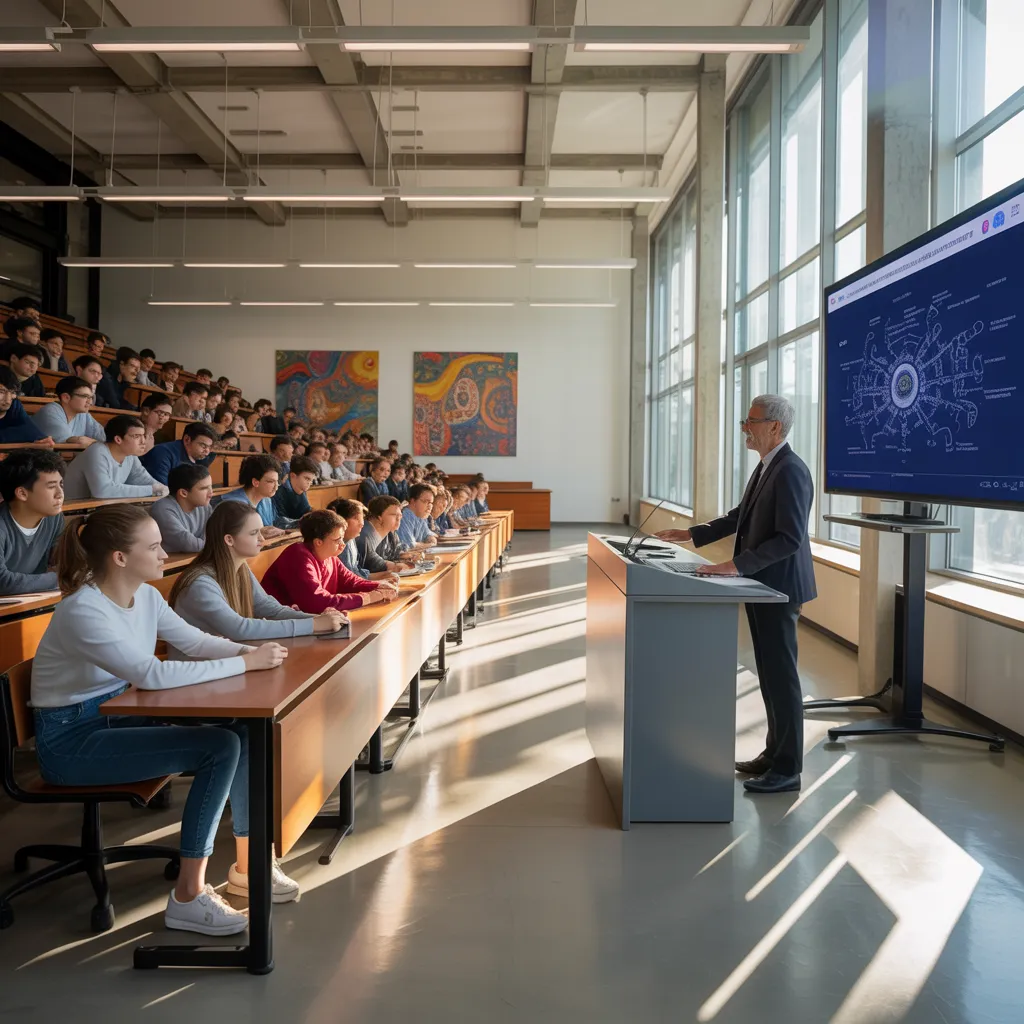
What Key Factors Should You Evaluate When Selecting a Country?
When choosing a destination for a undergraduate degree abroad, what essential considerations should guide the decision? To begin, the quality of education is the highest priority; prospective students should research institutional rankings, instructor expertise, and the program's applicability to their field of study. Additionally, language plays an important role; students need to assess whether they are at ease learning in the native language or if courses offered in English are accessible.
Cultural compatibility is another important consideration; gaining insight into the culture, customs, and lifestyle can profoundly impact the overall experience. Furthermore, safety and political stability are critical factors to consider; students should explore the country's reputation for safety and the current political climate. In addition, distance from home and travel possibilities can impact individual preferences and overall contentment. Through thoughtful evaluation of these considerations, students can reach educated decisions that resonate with their academic and personal ambitions.
How to Obtain Funding and Scholarships for Studying Abroad
Acquiring funding and scholarships is vital for students considering a bachelor's degree abroad. Various types of scholarships exist, serving a variety of needs and academic backgrounds, and being aware of these choices can considerably boost financial feasibility. Moreover, implementing effective application strategies can improve the chances of success in the highly competitive scholarship environment.
Scholarship Types Available
When seeking a undergraduate degree abroad can be a transformative experience, knowing the scholarship options at your disposal is vital for controlling financial obligations. A wide range of scholarships address diverse needs and situations. Scholarships based on merit recognize outstanding academic performance, while need-based scholarships assist students with financial challenges. Certain universities provide dedicated scholarships for international students to promote inclusivity. Furthermore, state-sponsored scholarships like Fulbright or Chevening offer substantial assistance for overseas education. Private organizations and foundations also contribute funding through scholarships aimed at specific fields or regions. In addition, various countries extend scholarships to welcome overseas students, broadening access to tertiary education. Researching these alternatives can considerably lighten the economic challenges associated with studying overseas.
Tips For Application Success
Navigating the scholarship application process can greatly enhance a student's likelihood of obtaining funding for international study. To enhance their chances, students should commence by investigating various scholarships that align with their scholarly ambitions and personal histories. Crafting a compelling personal statement is vital; it should effectively communicate goals and ambitions. In addition, acquiring compelling endorsements from academic advisors or faculty members can provide valuable support. Students must also carefully observe application timelines and criteria, guaranteeing all components are filed punctually. Moreover, highlighting pertinent accomplishments, such as community service or work placements, can distinguish a candidate. Finally, maintaining an organized approach allows for thorough management of applications and correspondence, thus enhancing the prospects of obtaining financial support.
Navigating Visa Requirements for Your Selected Country
Understanding visa requirements is vital for students who plan to pursue international education. Different countries have various types of student visas, each featuring unique requirements and application procedures. Maneuvering through these regulations can significantly affect a student's ability to pursue their education internationally.
Different Types Of Student Visas
Navigating the world of student visas is crucial for prospective students pursuing a bachelor's degree abroad. Countries around the world have various types of student visas, all featuring unique criteria and benefits. For illustration, the F-1 visa in the United States allows students to pursue full-time studies, while the Tier 4 visa in the United Kingdom serves a similar purpose. A number of countries, like Canada and Australia, have established visas that enable students to take on part-time work alongside their education. Furthermore, various countries could have unique stipulations based on how long the course runs or whether the educational institution holds proper accreditation. Recognizing these variations is critical for students planning to study abroad to guarantee compliance and select the right visa for their course of study.
Summary of the Application Process
Maneuvering through the application process for a student visa demands careful attention to the specific requirements of the chosen country. All nations have distinct regulations, documentation, and timelines that must be complied with. Generally, candidates must gather essential documents such as proof of admission, financial statements, and health insurance. Additionally, some countries may require a language proficiency test or a medical examination.
Prospective students should begin the application process as soon as possible, as visa processing times can differ significantly. It is equally important to become familiar with the embassy or consulate's guidelines, as they offer thorough instructions along with the latest updates on requirements. In the end, careful and thorough preparation ensures a more seamless transition to studying abroad.
How to Pick a University That Supports Your Goals?
How can one effectively choose a university that aligns with their academic and career aspirations? First, individuals should identify their specific goals, including desired majors and career paths. Investigating institutions that offer robust programs in the relevant disciplines is essential. Students may leverage digital tools, institutional rankings, and graduate connections to evaluate the standard of education provided.
Furthermore, considerations such as available extracurricular activities, location, and campus culture deserve careful consideration. A supportive environment can greatly enhance the general student experience. Furthermore, potential enrollees should evaluate the school's relationships with field-specific industries, as internship programs and networking connections can significantly impact career development.
Finally, evaluating financial considerations, including tuition fees and living expenses, is essential. By assessing these considerations, students can form educated judgments that align with their aspirations, ensuring a fulfilling and successful academic journey abroad.
Adjusting to Cultural Distinctions in Your New Surroundings
When adjusting to a new culture can be challenging, acknowledging the variations can lead to enriching encounters. Individuals studying abroad often encounter novel social customs, forms of communication, and societal standards that may seem daunting at first. To handle these cultural changes, it is vital to face novel circumstances with an open mind and a desire to grow. Interacting with community members, taking part in cultural activities, and building connections with native inhabitants can encourage broader comprehension and admiration of the surrounding culture.
Additionally, striking a harmony between upholding one's own cultural identity and accommodating the new environment is vital. Open communication and curiosity can help bridge gaps and alleviate feelings of loneliness. As individuals encounter the unknown, they often develop inner resilience and remarkable adaptability, capabilities that are priceless both on a personal and professional level. Ultimately, these encounters can broaden perspectives and enrich one's education, making the pursuit of international education profoundly transformative.
What Should You Expect While Studying Abroad?
Going to school abroad offers a remarkable blend of excitement and uncertainty, as students commonly end up in foreign scholastic and interpersonal surroundings. Students might experience varying teaching styles, which could range from collaborative group work to independent research projects. Learners ought review to anticipate differing requirements related to involvement and due dates.
In terms of social development, the experience can be equally transformative. New friendships may form, but adjusting to varied cultural expectations and ways of communicating can pose significant hurdles. Initially, students could feel disconnected or longing for home, but such emotions tend to fade as they grow more connected to their new environment.
Additionally, managing routine activities, such as becoming familiar with public transportation and local customs, can be overwhelming yet beneficial. Students are encouraged to build problem-solving skills and resilience as they adapt to these changes. Ultimately, this adventure promotes personal growth and a broader worldview, rendering the difficulties worthwhile.
How to Stay Connected With Home During Your Studies
Maintaining connections with home during studies abroad is vital for emotional stability and encouragement. Scholars can make use of digital tools to overcome the distance, utilizing video communication, instant messaging, and social networking platforms to exchange experiences and keep family and friends informed. Arranging frequent communication sessions can build a soothing pattern, making it easier to navigate the challenges of studying in a new environment.
Additionally, students should consider joining regional expatriate communities or networks, which can supply a network of support and common experiences. Dispatching postcards or care packages can also reinforce connections and provide a tangible connection to home. Immersing themselves in cultural activities that bring them closer to their origins, such as cooking traditional meals or celebrating holidays, promotes a sense of community. By deliberately preserving these relationships, students can enhance their overall study abroad experience, guaranteeing they feel supported and less alone during their scholarly pursuits.
Common Questions and Answers
What Are the Best Countries for International Students?
A number of countries are well known for attracting international students, including the United States, Canada, the United Kingdom, Australia, and Germany. Such destinations present varied academic programs, unique cultural encounters, and valuable opportunities for both personal and scholarly advancement.
How Can I Find Student Housing Abroad?
To locate student accommodation abroad, students should look into campus housing opportunities, web-based rental portals, and local property listings. Connecting with other students and gathering referrals can additionally offer valuable insights into suitable living arrangements.
Am I Allowed to Work During My Studies Overseas?
Indeed, most international students have the ability to work while studying abroad, in accordance with the applicable visa requirements. Working part-time can provide useful real-world experience and support day-to-day expenses, but balancing study and work responsibilities remains vital for succeeding academically.
What Type of Health Insurance Do I Need When Studying Abroad?
Students pursuing education overseas usually must have comprehensive health coverage that protects against repatriation, hospitalization, and medical emergencies. It is important to verify the host nation's insurance requirements and verify the policy includes coverage for pre-existing conditions and routine care.
How Can I Develop My Language Proficiency Before I Go?
To develop linguistic proficiency before going abroad, one should participate in consistent practice through apps, language exchange programs, online courses, and immersive experiences with native speakers. Reading books and watching films in the target language also helps greatly.